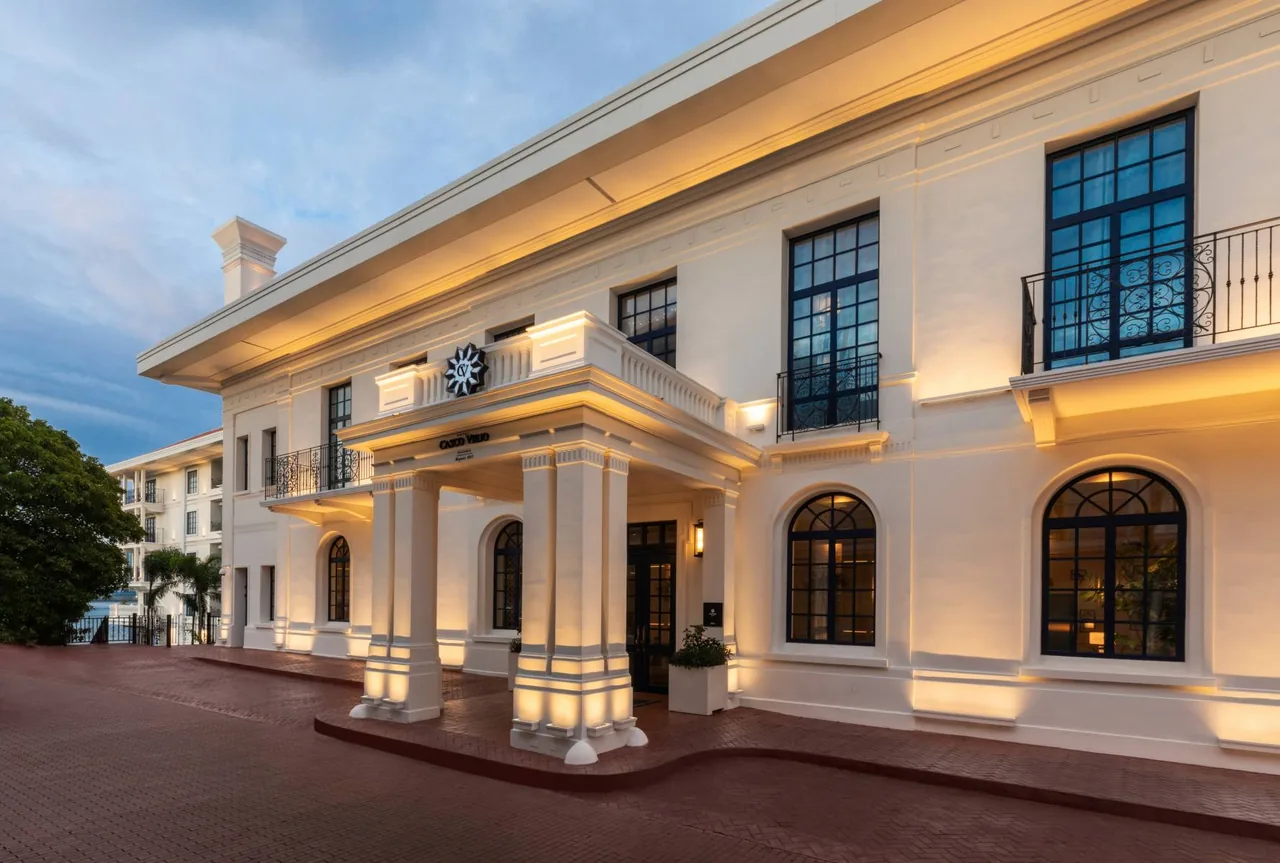
Sofitel Legend Casco Viejo
Casco Antiguo
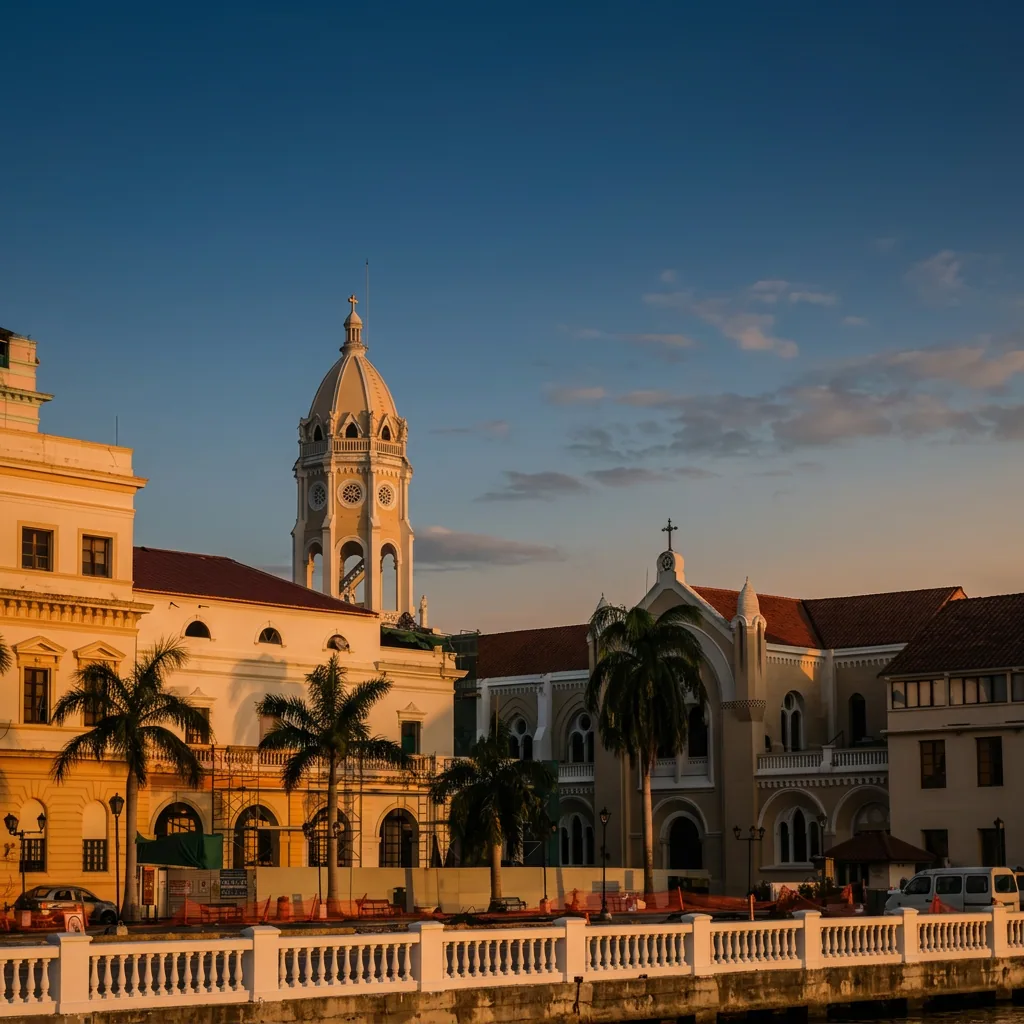
A 1917 building on the point of the peninsula, overlooking the Bay of Panama. The old town and the skyline from the same terrace.

Panama City
The Intelligent Route
A UNESCO World Heritage district walked in the order that keeps clients out of the heat.
The case
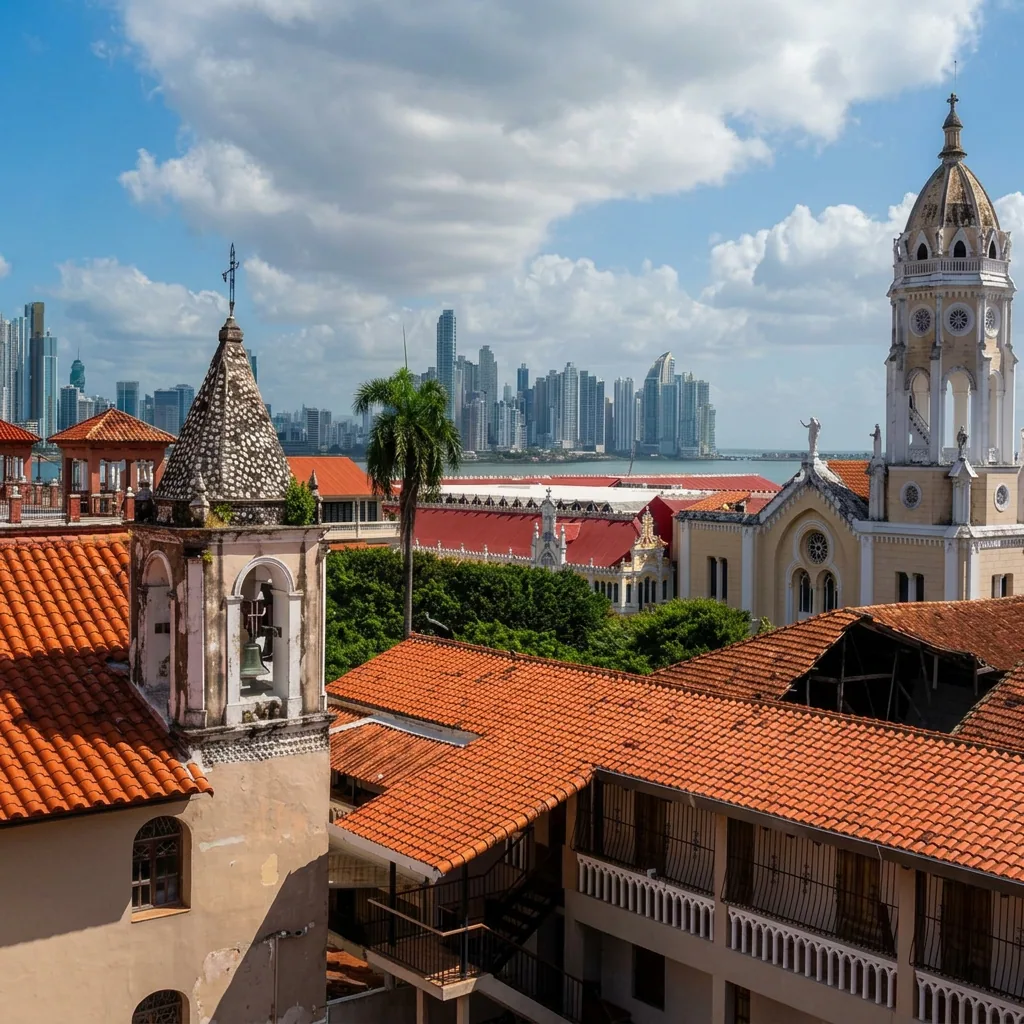
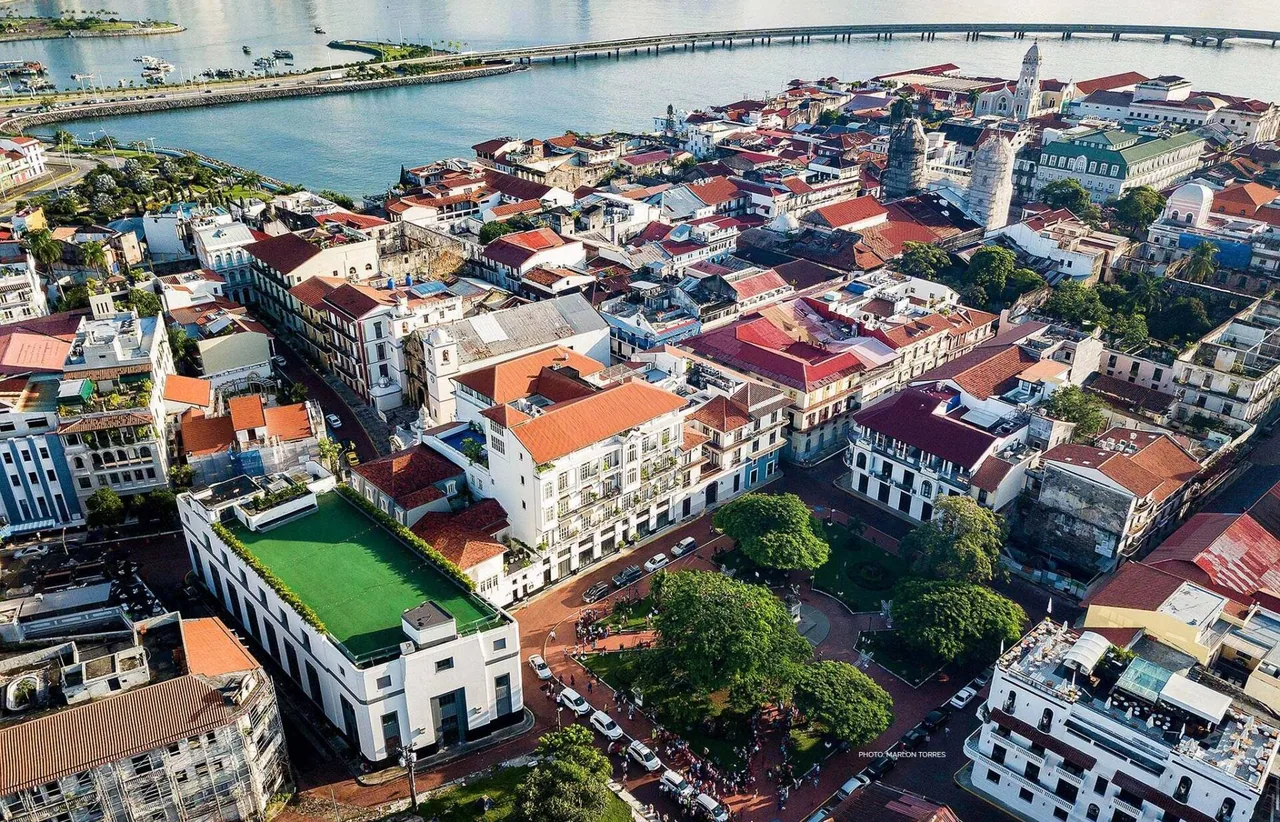
Casco Antiguo is where the city rebuilt itself in 1673 after pirates burned the original settlement. It is cobbled, low-rise, and looks directly across the bay at a wall of glass towers — four centuries in a single photograph.
It is also small, hard-surfaced, and faces west. By two in the afternoon the stone radiates heat and the shade runs out. Midday, when the tour buses arrive, is the worst hour to walk it.
The difference is not the route. Everyone sees the same plazas. The difference is the order, the hour, and whether the vehicle is waiting where the walk ends rather than where it started.
Best suited to clients who want architecture, food and a sense of the city — and to anyone arriving on a cruise call with a fixed window.
Getting there
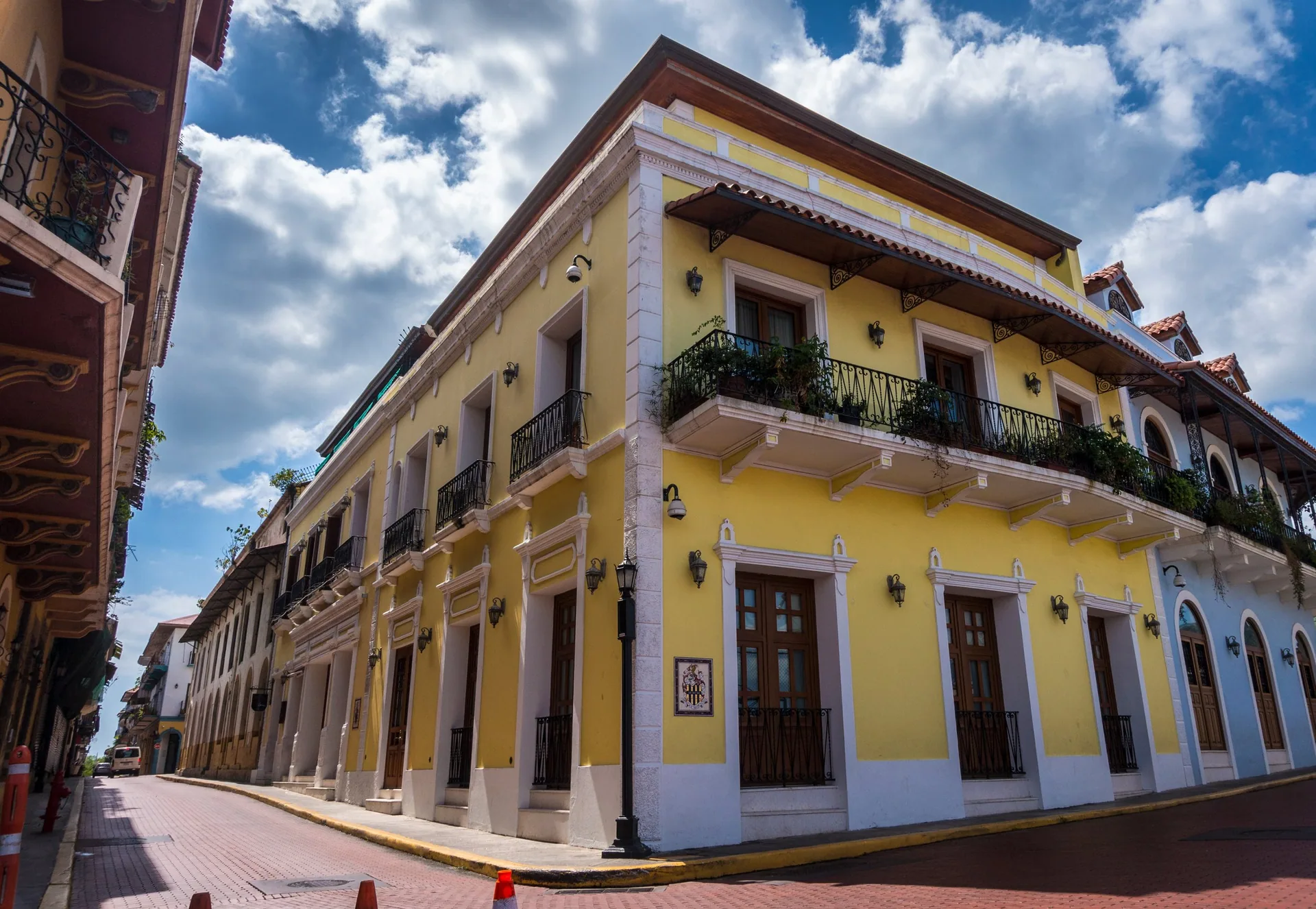
The quarter is compact enough to walk in ninety minutes and rich enough to justify five. We quote five because the stops that matter — a rooftop, a long lunch, a church interior — are what clients remember, and they take time.
On our itineraries: Panama end to end · Ocean to ocean · City and highlands · Casco and the islands · Canal, Casco and rainforest

Road · 15–25 min
Depends on the district. Traffic on Avenida Balboa is the variable
On foot · 3–4 h
Cobbles throughout. Flat, but hard underfoot
Continuous
We position the vehicle at the end point, not the start
Road · 30–40 min
From Amador. Timed against the ship's all-aboard, not the guide's pace
When to go
Casco works year-round. What changes is the time of day. We start early, use the interiors through the worst of the sun, and return for the late afternoon when the light turns and the rooftops open.
The dry months, December through April, bring the cleanest light and the largest crowds. The green months are quieter, and an afternoon shower is a reason to be inside a restaurant rather than a problem.
Cruise season concentrates visitors between roughly December and April. On a call day the plazas fill between ten and two. We route around that window rather than through it.
Evenings are the quarter's best hours, and the day-tour timetable leaves them open. For clients staying in the district, dinner and a rooftop are the strongest ninety minutes of the itinerary.
What makes it worth the trip
Four centuries in a single photograph.
A UNESCO property inscribed in 1997 and extended in 2003. The difference is not the route — everyone sees the same plazas. It is the order, the hour, and where the vehicle waits.
The quarter is part of the UNESCO property inscribed in 1997 as the Historic District of Panamá, extended in 2003 to include the archaeological site of Panamá Viejo — the city the pirates burned. Seeing both in one itinerary is the whole story rather than half of it.
The Salón Bolívar is the reason UNESCO singles out the district: in 1826 Simón Bolívar convened the Congress of Panama here, the first attempt to unite the American republics. It failed. The room survives.
The gastronomy is the other half. Casco holds the densest concentration of serious kitchens in the country, and the good ones are small enough that a table is held by name.
We name the restaurant and hold the table. A client who spends forty minutes looking for lunch has lost the best part of the afternoon.
Where they stay
Casco Antiguo
A 1917 building on the point of the peninsula, overlooking the Bay of Panama. The old town and the skyline from the same terrace.
Casco Antiguo
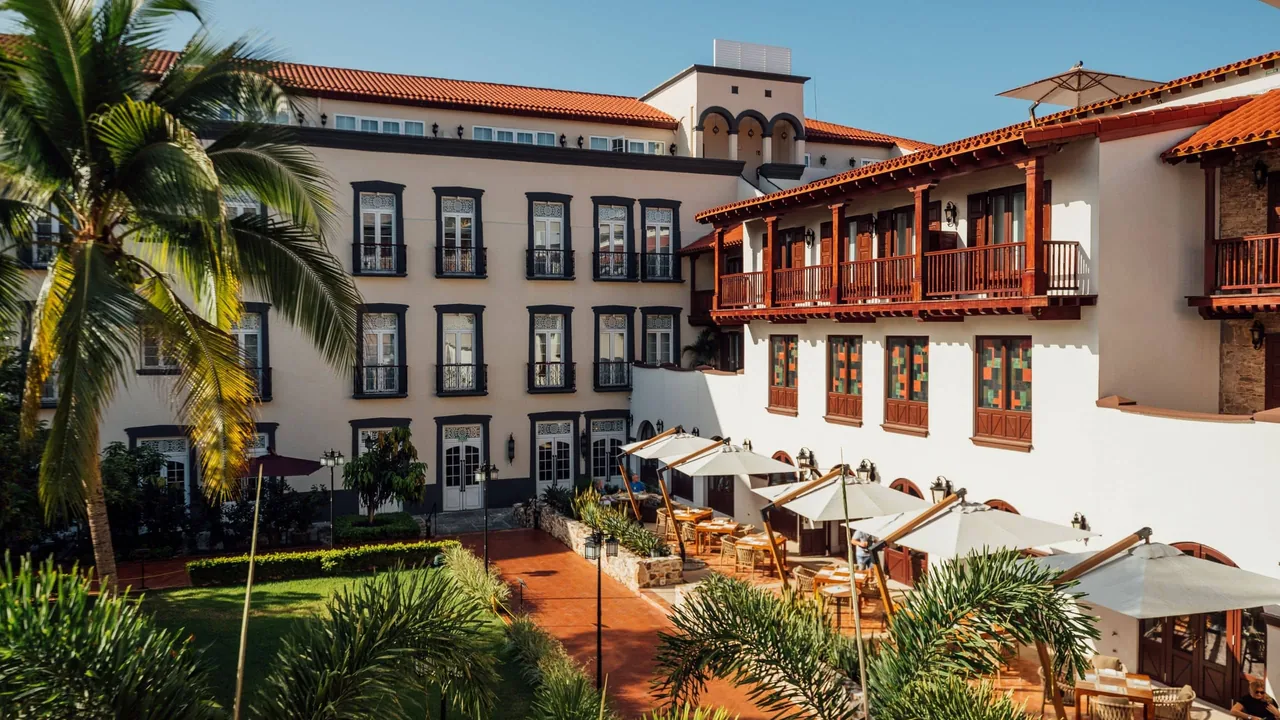
A seventeenth-century Jesuit convent, restored, with five restaurants inside it. The strongest sense of place in the city.
Casco Antiguo
On Plaza Herrera, in a 1917 landmark building, and a member of Small Luxury Hotels of the World. Smaller, and the address for clients who want the quarter without the landmark.
Plaza de la Independencia
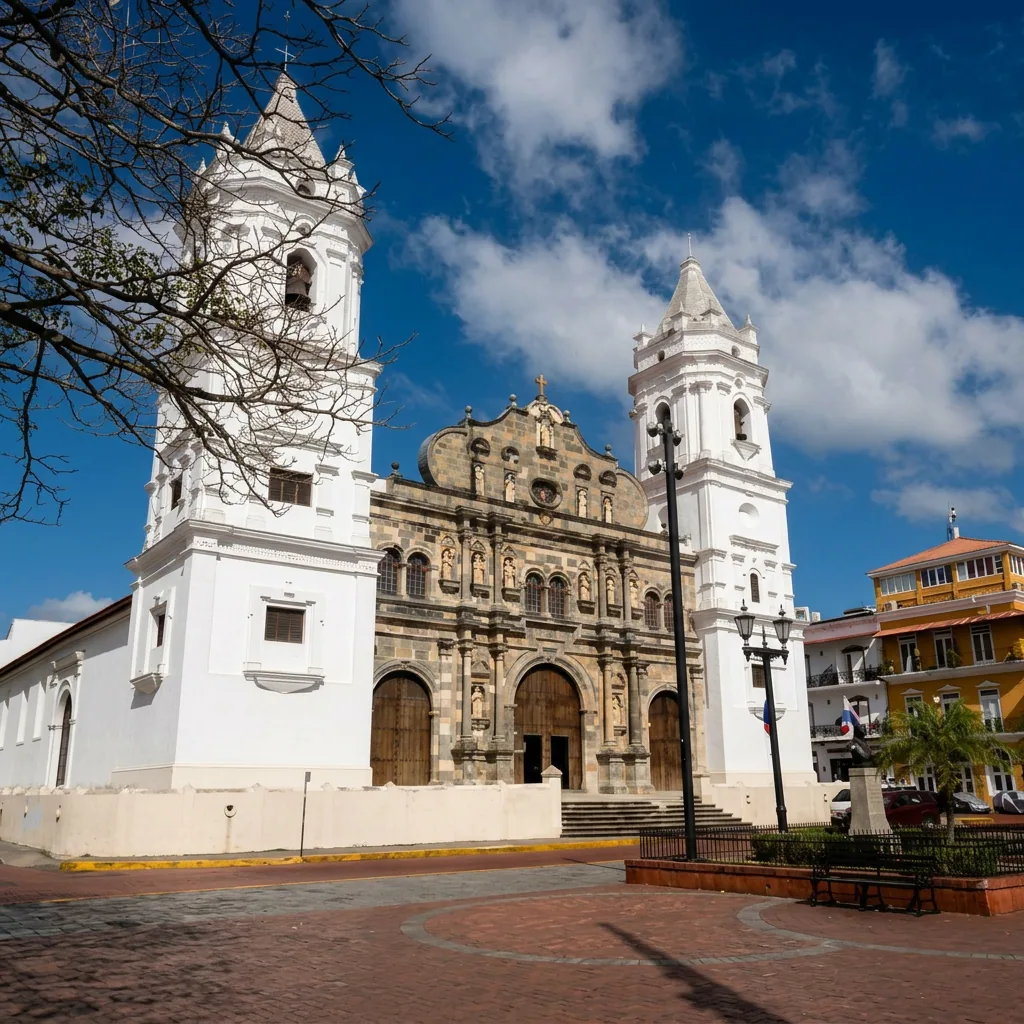
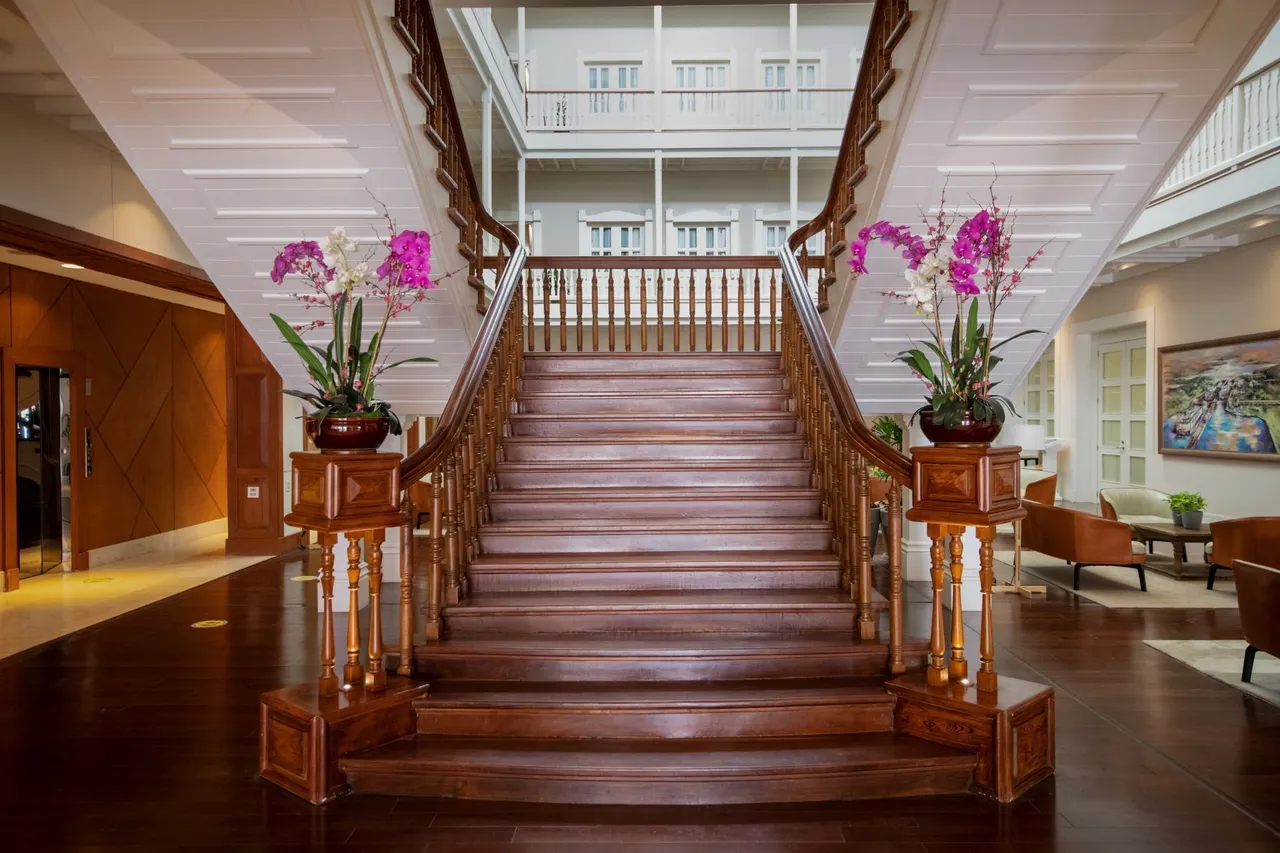
First opened in 1874 on the cathedral square, at the center of the quarter. A grand staircase, a spa and a rooftop pool above the old town's roofs.
In practice
Everything here is part of a private journey across Panama, from three nights.
Half day
Early start, the plazas and the churches before the heat, lunch at a table booked in advance, and the vehicle waiting where the walk ends.
Full day
Panamá Viejo first, when the ruins still have shade, then Casco in the afternoon and evening. This is the version that earns the UNESCO story.
Half day
A Geisha cupping in a period hotel inside the historic center: three processing methods, the history of the variety that has set world auction records, and desserts built on the same coffee. Fifteen to twenty minutes from the banking district, run in alternating subgroups with staggered returns so the walk and the cupping each keep their own pace.
Cruise call
Built backwards from the all-aboard time, with a hard turnaround point and the vehicle within a few minutes at every stage of the walk.
Groups above twelve change the walk: the streets are narrow, the restaurants are small, and both are booked rather than assumed.
Our preparation
The kitchens worth eating in seat thirty people, so we book ahead, in the client's name.
Church and museum interiors have their own hours and some close at midday. We confirm them the week of, not the morning of — opening times here move with the liturgical calendar.
Every cobbled route is mapped by hour of the day: which ones hold shade through the morning and which take the golden light in the late afternoon. And which restaurants honor a reservation.
The vehicle repositions during the walk so the walk runs forward the whole way, in shade. That single piece of logistics is most of the difference between a good morning and an exhausting one.
Quoted separately on request: entry fees to museums, gratuities, and anything beyond the services named in the day plan.
Tell us the dates and the shape of the trip. We quote NET for agencies and tailor-made for direct inquiries — the same program either way.
Start the conversationInvestment: each journey is crafted around you and your dates. Contact us to begin planning.