 Pedasí & Azuero
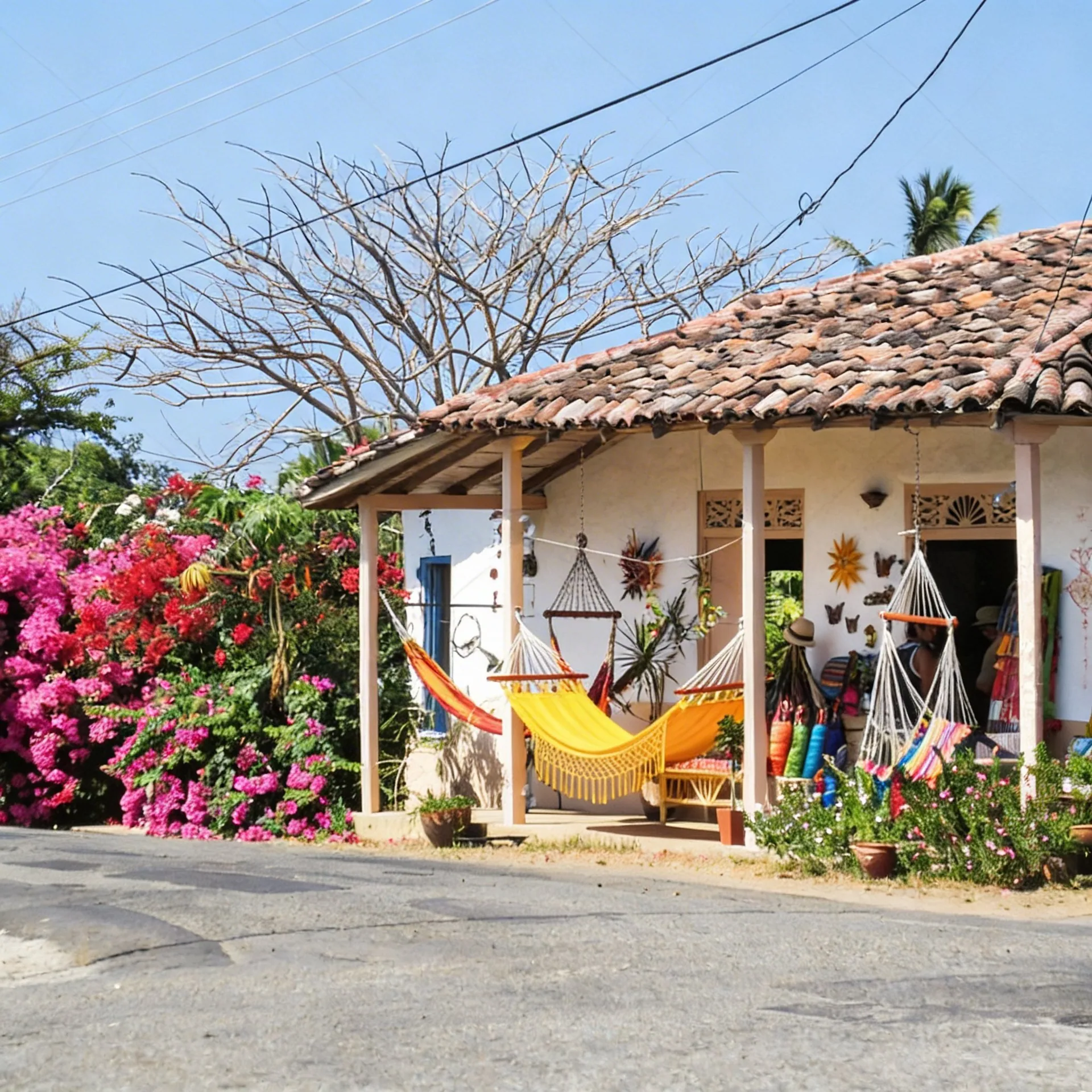
Small hotels in Pedasí
Pedasí
The region runs on small owner-operated hotels. Comfortable and personal, not luxury, and the expectation is set before arrival.

Azuero Peninsula
Panama's Traditional Heartland
The peninsula where Panamanian tradition survived, and where humpback whales arrive every season.
The case
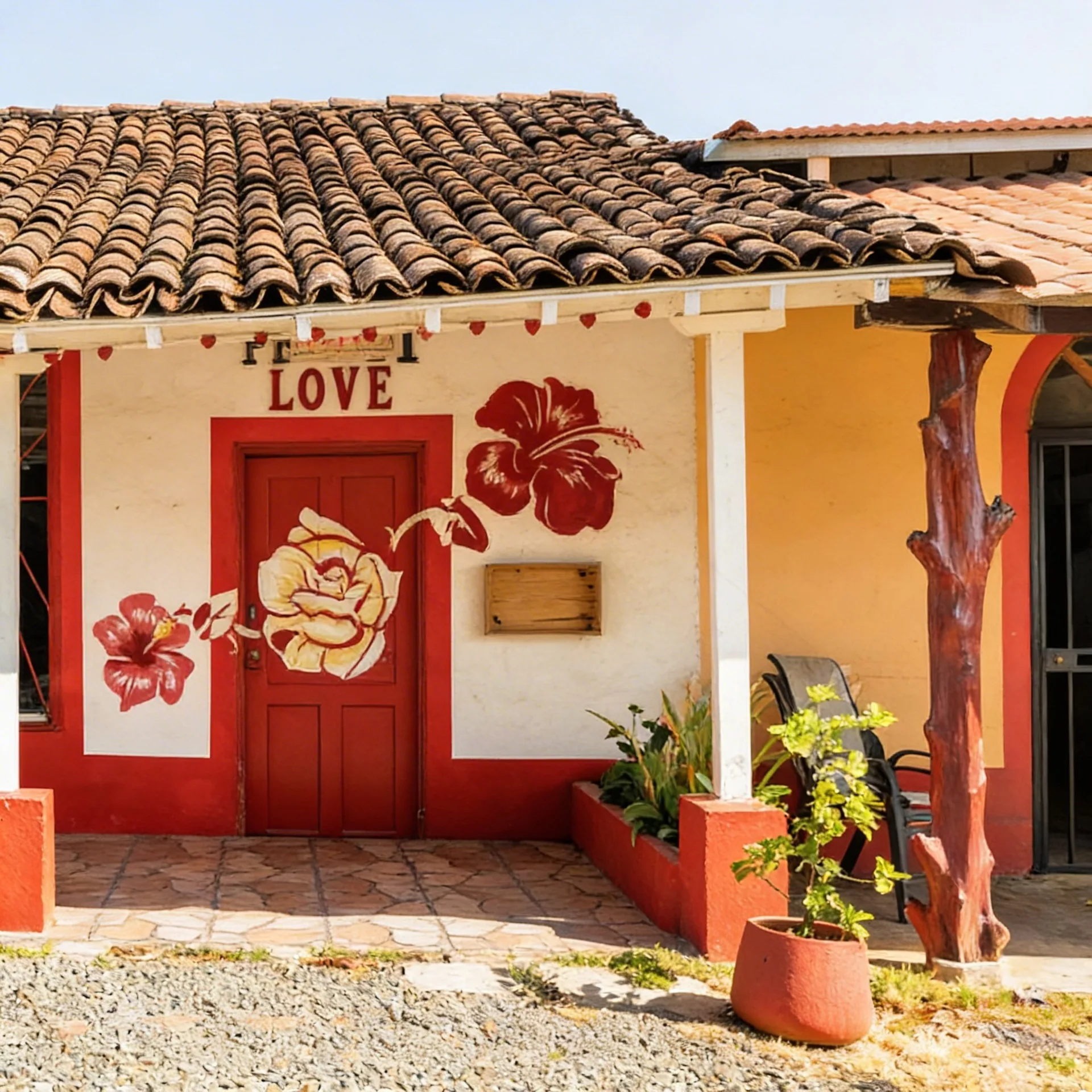
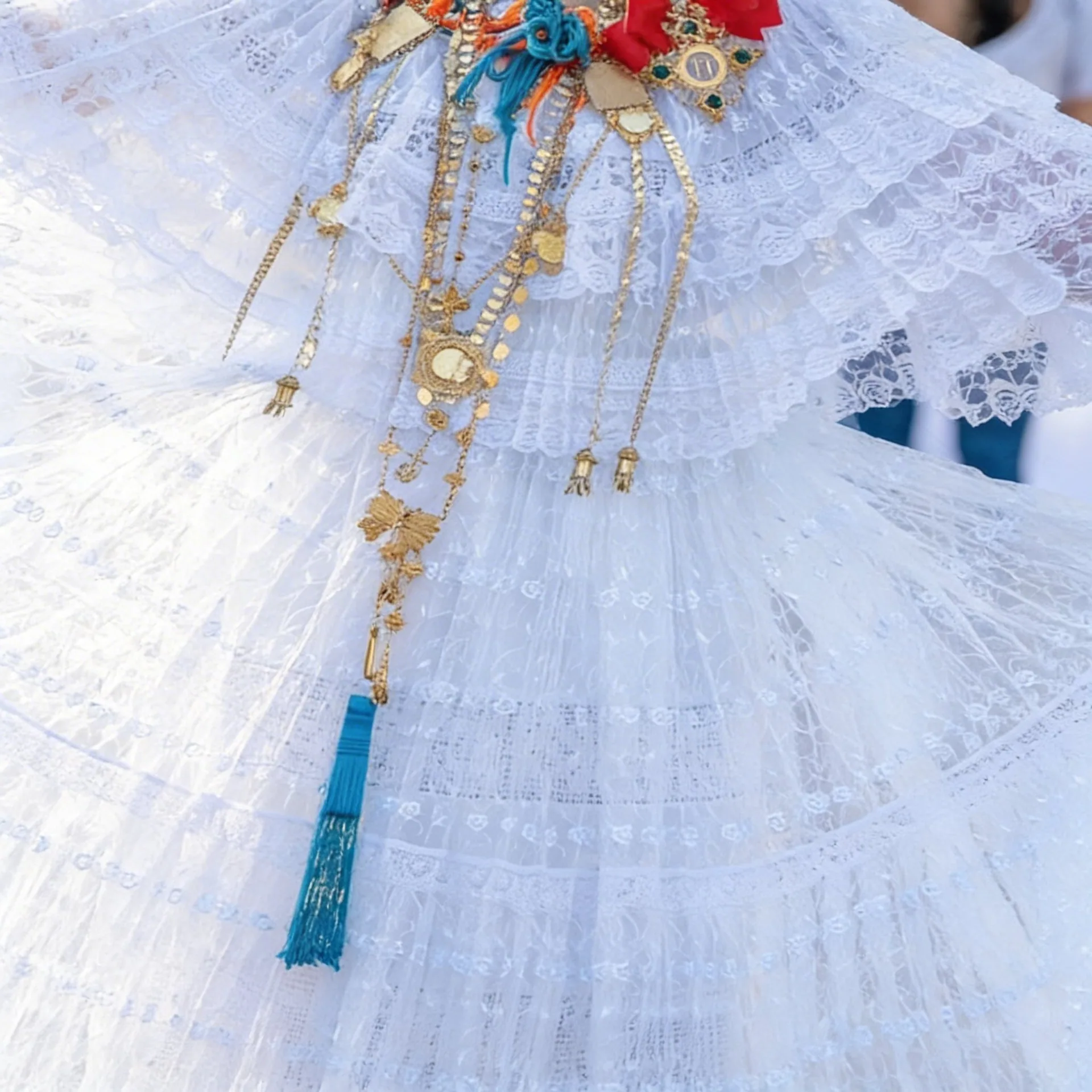
Azuero is where the country's traditions come from — the pollera, the folk festivals, the towns that were founded early and then left alone. It is the least internationalized region in the country and the one that most rewards a client who wants culture rather than a resort.
It is also a long way from the capital. That distance is the reason it stayed intact and the reason most itineraries skip it.
Best suited to repeat visitors, clients with a cultural brief, surfers, and anyone who has already done the Canal and the Caribbean and wants the country underneath them.
It is the wrong answer for a short trip. Azuero needs three nights to justify the drive, and we say so rather than squeezing it in.
Getting there
The drive is the reason this page exists. Four to five hours each way is a full day, not a transfer, and the itinerary is built around it. Where frequency allows, we fly to Chitré and drive the last stretch.

Road · ~4–5 h
A full travel day, and we quote it as one
Flight · ~30 min
Limited frequency. Shortens the drive considerably
Road · ~1 h 30
The last stretch is always by road
Boat · 30–40 min
Sea state governs. Confirmed the evening before
When to go
Panama's tourism authority names Pedasí and Tonosí among the country's whale-watching locations, and the Ministry of Environment sets the season from July to October. Panama is one of the few places on earth where humpbacks from both hemispheres migrate.
That places Azuero's strongest wildlife window inside the green season, when the peninsula is also at its quietest.
The cultural calendar runs the other way. The festivals that make Azuero what it is are concentrated in the dry months, and they fill every room in the region.
These two calendars rarely overlap, and choosing between them is the single most useful conversation to have with the client before booking.
What makes it worth the trip
The part of Panama that is still Panamanian.
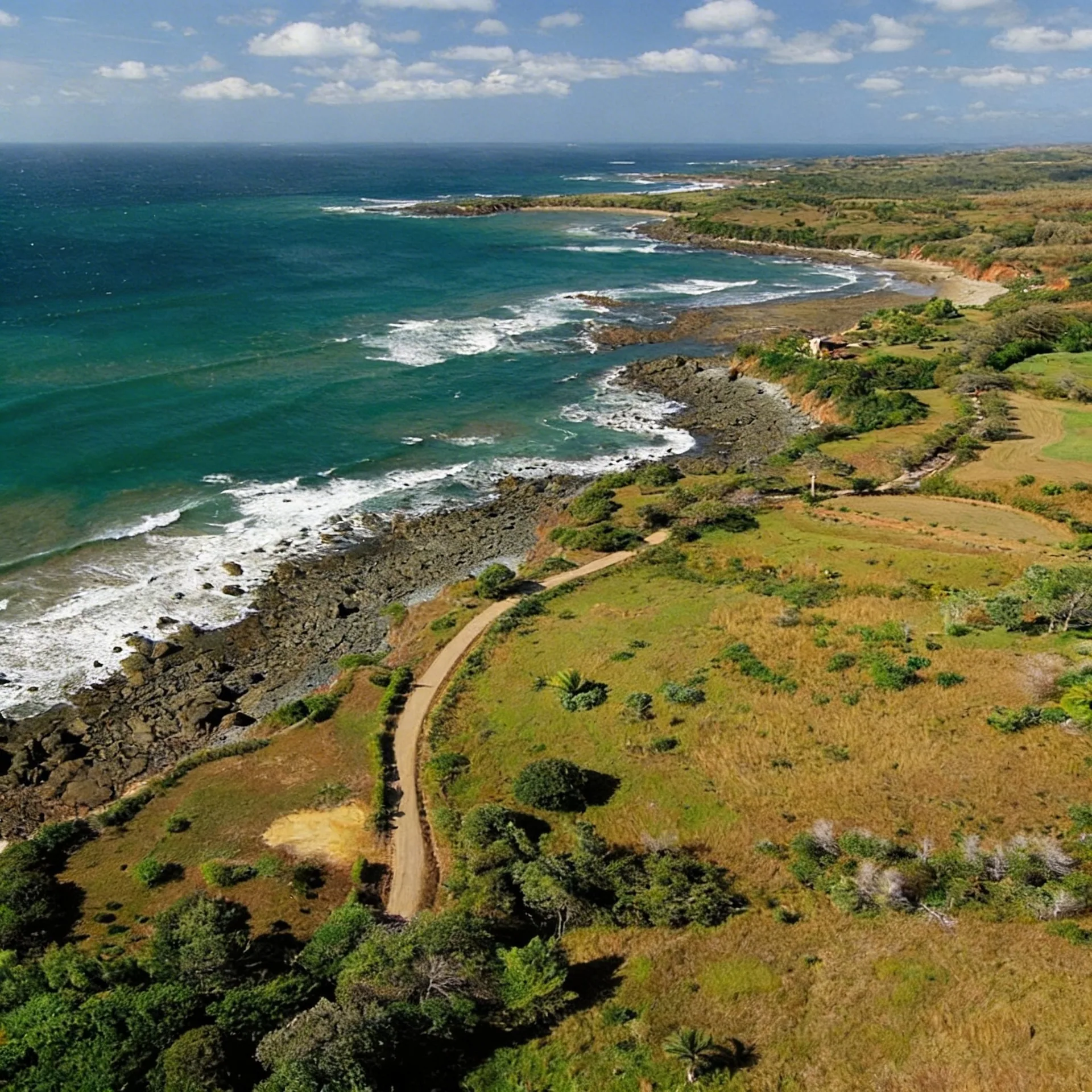
Four centuries of working towns, craft traditions practiced by people you can meet, and a coast where the beaches run for kilometers with nobody on them.
The towns are the product. Las Tablas, Guararé and Pedasí are working Panamanian towns with four centuries behind them, where daily life still sets the pace.
The craft traditions are alive and practiced by people you can meet — pollera making, mask carving, and the festival calendar that keeps both going.
The coast is empty. Beaches here run for kilometers with nobody on them, which after Bocas or Las Perlas is a genuine contrast.
Isla Iguana, off Pedasí, has been a wildlife refuge since 1981: more than 40 hectares of coral reef built by 17 coral species, a frigatebird nesting colony, and humpbacks close by in season. Visitors leave the island by 15:00, so it runs as a half-day when the sea allows it.
Where they stay
Pedasí & AzueroPedasí
The region runs on small owner-operated hotels. Comfortable and personal, not luxury, and the expectation is set before arrival.
Pedasí & AzueroPlaya Venao and around
The surf coast has the newer properties. Better for clients who want the beach as the base rather than the town.
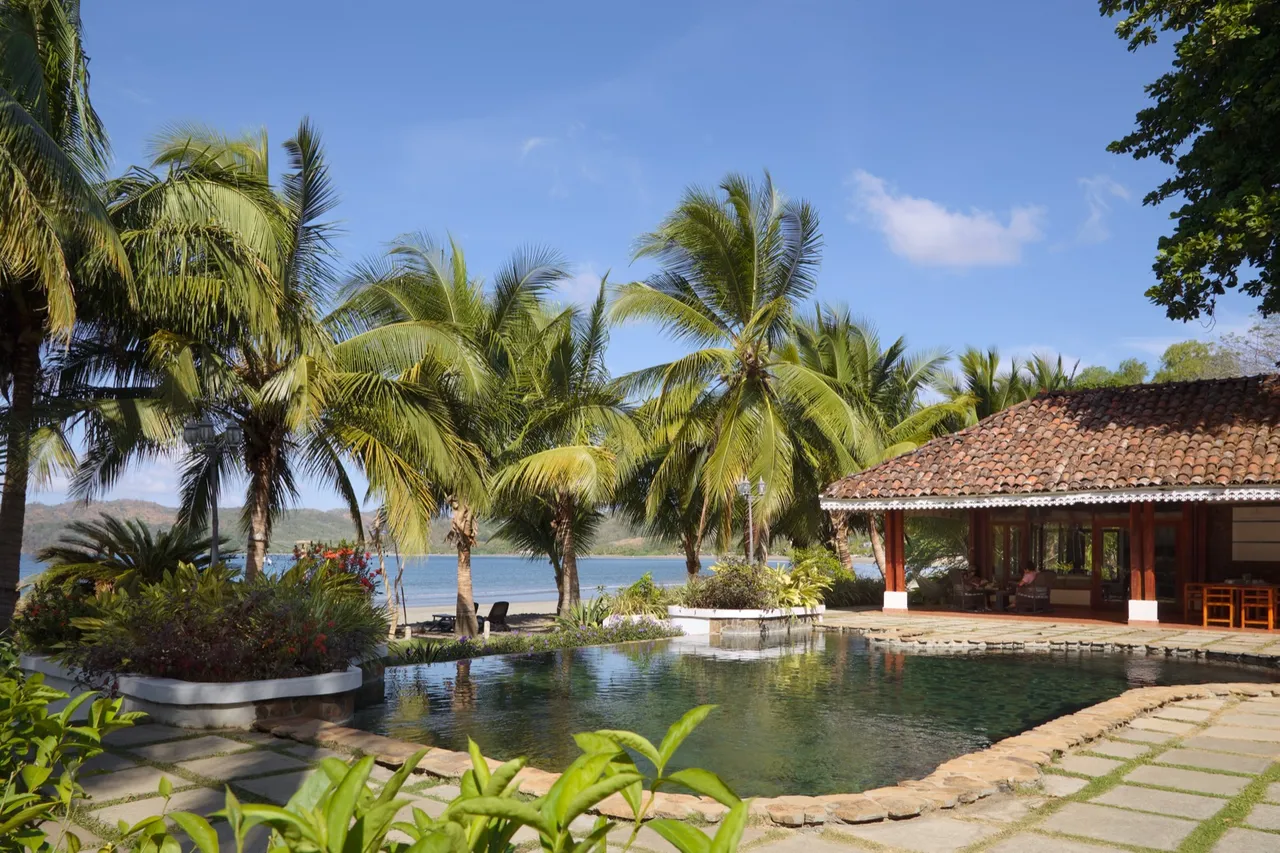
Playa Venao
On the water near Playa Venao, on the surf coast: hotel rooms and ocean-view condos of two to four bedrooms, the largest for up to ten guests, with a pool and its own restaurant. The answer for families and small groups on the peninsula.
In practice
Everything here is part of a private journey across Panama, from three nights.
Three nights
Fly to Chitré where frequency allows, then the towns, the coast and Isla Iguana if the sea permits, with a day for the craft workshops.
Whale season
The same base, with the boat days built around the crossing and a naturalist aboard.
A different trip entirely, and one that has to be booked months out because the region fills.
Groups are limited by accommodation. The largest property here takes well under forty, so a group program is built across several hotels.
Our preparation
Flight frequency to Chitré moves with the season. We confirm it before building an itinerary around it rather than after.
The Isla Iguana crossing depends on sea state, so it is offered as a day that can become a coastal day instead.
Festival dates are confirmed with the municipality, not from a calendar found online. They move, and arriving the week after means arriving for a different town.
Quoted separately on request: refuge entry fees, gratuities, and anything beyond the services named in the day plan.
Whale watching calls for the right date and the right operator. Inside the season some weeks run better than others and we follow them. The boutique hotels in Pedasí are small and fill early, so the dates come before the rooms.
Tell us the dates and the shape of the trip. We quote NET for agencies and tailor-made for direct inquiries — the same program either way.
Start the conversationInvestment: each journey is crafted around you and your dates. Contact us to begin planning.